Cold Chain Storage in Saudi Arabia: The 2026 Riyadh Playbook
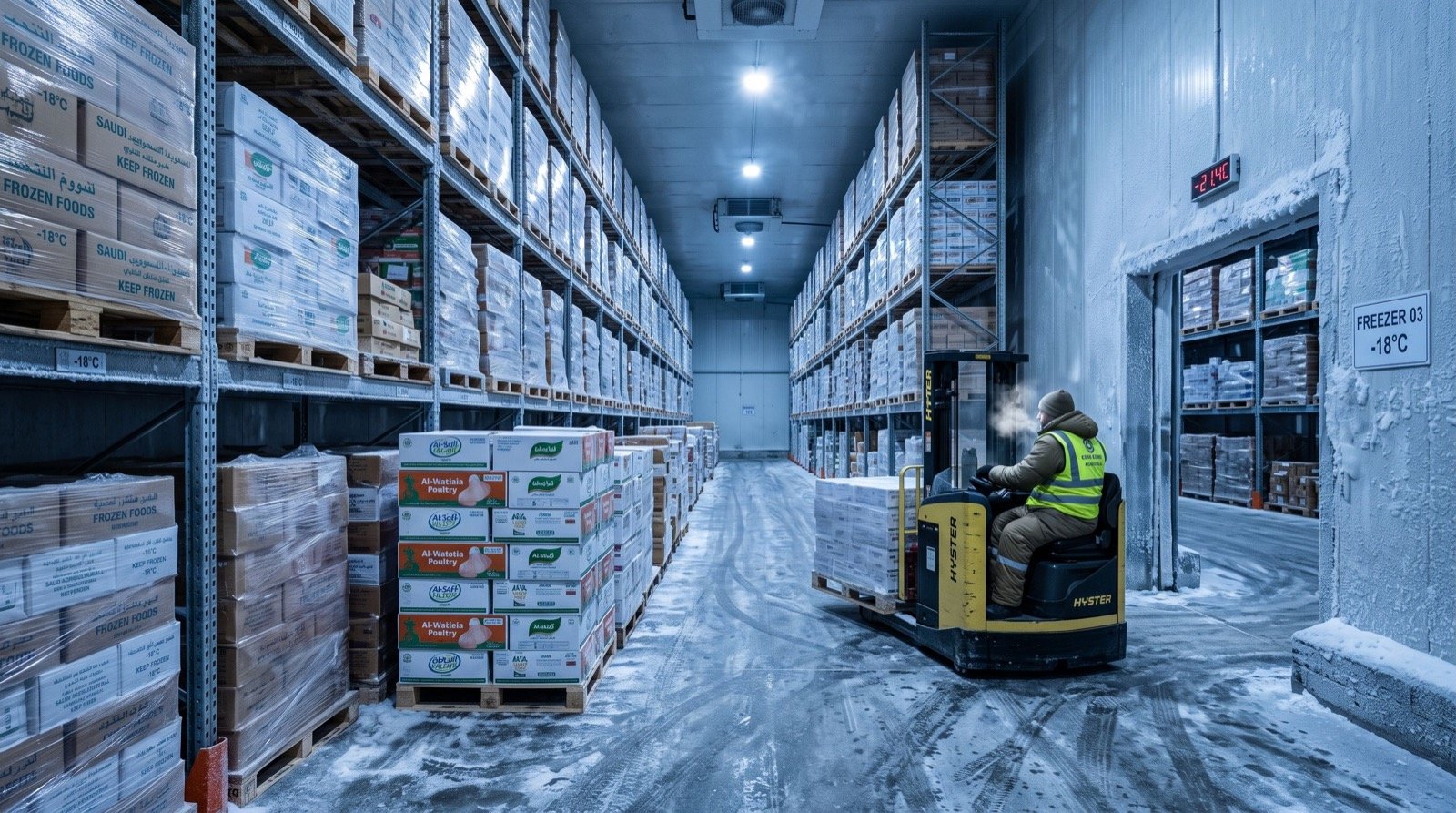
Saudi Arabia is building one of the fastest-growing logistics networks in the region, and cold chain storage in Saudi Arabia sits right at the centre of that transformation. As the capital, Riyadh has become the inland hub where pharmaceuticals, fresh food, and temperature-sensitive goods are consolidated and distributed nationwide. For any business moving perishable or regulated products, understanding this network is now essential.
This 2026 playbook explains how modern storage works in the Kingdom, why Riyadh’s inland position changes the equation, and how to choose between dry and chilled facilities. It is written for operators who want their goods to arrive intact and compliant, every time.
Why Cold Chain Storage in Saudi Arabia Is Booming
Several forces are driving demand at once. Vision 2030 has pushed heavy investment into logistics infrastructure, non-oil trade is expanding, and consumer demand for fresh and imported goods keeps climbing. Together these trends make reliable temperature-controlled space a strategic asset rather than a commodity.
Pharmaceuticals add urgency. The Kingdom’s healthcare sector depends on vaccines, biologics, and medicines that must stay within strict temperature bands from factory to pharmacy. A single break in that chain can render a shipment worthless.
Riyadh’s Inland Advantage and Its Challenge
Riyadh sits at the geographic heart of the country, making it the natural consolidation point for distribution to every region. Goods arriving by road, rail, or air can be stored centrally and dispatched efficiently in all directions.
The challenge is the desert climate. Extreme summer heat places enormous stress on refrigeration systems, so facilities here must be engineered for resilience, with redundant cooling and continuous monitoring built in from the start.
Dry vs Chilled: Matching Storage to Your Goods
Choosing the right environment begins with knowing what your product can tolerate. The two most-used tiers in the capital are dry and chilled, and they serve very different cargo.
| Criterion | Dry Storage | Chilled Storage |
|---|---|---|
| Temperature | Ambient, humidity-controlled | 0°C – 8°C |
| Typical goods | Grains, packaged food, hardware | Dairy, produce, vaccines, medicines |
| Monitoring | Periodic | Continuous with alarms |
| Energy demand | Lower | High |
| Regulatory load | Standard | Strict (GDP, food safety) |
For shelf-stable inventory in the capital, a dependable Dry Storage in Riyadh solution keeps goods protected from heat and dust at a sensible cost. For perishables and regulated products, certified Chilled Storage in Saudi Arabia maintains the tight tolerances the cold chain demands.
How Do You Keep the Cold Chain Unbroken?
An unbroken cold chain is the product of discipline at every handover, not luck. Follow a clear sequence and you dramatically cut the risk of spoilage or rejection.
- Pre-cool vehicles and loading docks before product ever moves.
- Use data loggers that travel with the shipment end to end.
- Minimise dwell time on exposed docks during transfers.
- Verify temperatures at each receipt before accepting goods.
- Keep redundant refrigeration ready for peak summer load.
A hard-won tip from the field: the weakest link is almost always the handover, not the storage room itself. Invest in dock discipline and staff training, because the best freezer in Riyadh cannot save a pallet left baking on the ramp.
Training ties these elements together. Even the most advanced equipment fails if staff open doors carelessly or load pallets in a way that blocks airflow. The strongest operations pair hardware with well-drilled people and clear standard operating procedures.
The Building Blocks of a Reliable Facility
- Redundant cooling systems with automatic failover.
- 24/7 temperature and humidity monitoring with alerts.
- Backup power to survive grid interruptions.
- Trained staff who follow documented handling protocols.
How Technology Is Reshaping Storage in the Kingdom
The warehouses winning business in 2026 look nothing like the dark sheds of a decade ago. Technology now underpins every reliable cold chain operation, and it is changing what buyers should expect.
Internet-of-things sensors sit at the core. Networked probes track temperature and humidity around the clock, pushing readings to dashboards and firing instant alerts when a reading drifts. This turns temperature control from a daily spot-check into a continuous, auditable record.
Warehouse management systems add another layer. They track every pallet’s location, age, and dispatch priority, which slashes picking errors and enforces first-expiry-first-out rotation automatically. For regulated goods, that traceability is often a compliance requirement rather than a nice-to-have.
Energy intelligence matters in the desert, too. Smart controls stage refrigeration load, recover waste heat, and shift non-critical cooling away from peak demand. In Riyadh’s climate, these efficiencies protect both the product and the operating budget.
The payoff for customers is transparency. When a provider can show you a live temperature graph and a full movement history for your stock, you are no longer trusting a promise. You are reading the evidence, which is exactly what modern distribution demands.
Compliance and Standards in 2026
Regulation shapes every serious cold chain operation. The Saudi Food and Drug Authority governs storage and distribution standards for food and medicine across the Kingdom, and global Good Distribution Practice guidance from the World Health Organization sets the benchmark for pharmaceutical handling.
Aligning with these frameworks is not just about passing audits; it protects your brand and your customers. When you select a provider, favour reputable service experts who can demonstrate certified processes and a track record of compliance.
Frequently Asked Questions
What temperature range defines chilled storage?
Chilled storage typically runs between 0°C and 8°C, cold enough to preserve perishables and many medicines without freezing them. The exact set point depends on the specific product’s requirements.
Why is Riyadh a good location for distribution?
Riyadh’s central inland position makes it the natural consolidation hub for nationwide delivery. Goods stored there can reach every region efficiently by road, rail, and air.
How do facilities cope with Saudi summer heat?
Well-designed facilities use redundant refrigeration, strong insulation, backup power, and continuous monitoring so that even during peak summer load, internal temperatures stay stable and within spec.
Do I need chilled storage for pharmaceuticals?
Most biologics and many medicines require it. Pharmaceuticals follow strict Good Distribution Practice rules, so chilled, continuously monitored storage with full temperature records is usually mandatory.
Conclusion
As the Kingdom’s logistics network matures, cold chain storage in Saudi Arabia has shifted from a background service to a strategic advantage, with Riyadh as its inland anchor. Match each product to the right tier, protect every handover, and insist on certified, monitored facilities built for the desert climate.
Planning your 2026 distribution strategy? Review your temperature-sensitive inventory, map your delivery regions, and partner with a specialist who can design dry and chilled capacity around your needs. The right storage plan today keeps every future shipment safe, compliant, and on time.